| Category | Details |
| Title | The Cute But Not So Fuzzy Four |
| Season & Episode | Season 35, Episode 4067 |
| Lessons & Themes | Intergenerational bonding, local history, and family secrets. |
| Key Segments | Tokyo String Quartet with The Count, Global Grover in Australia, and Elmo's World: Families. |
| Main Muppets | Elmo, Grover, Zoe, Rosita, Big Bird, Cookie Monster, The Count |
| Human Guest(s) | Gordon, Miles, Mr. Robinson (Gordon's Father), Luis, Bob, Maria, Alan |
| Letter & Number | K and 4 |
| Air Date | April 19, 2004 |
Facts
The Real Name Overlap
Carl Gordon, the actor who plays the father of Gordon, is also the actor who plays Gordon in this specific broadcast. The production team hired him for this role because they knew he'd be great at it. His real name is a perfect match for the iconic character name. He got his start on TV starring in the sitcom Roc, but then the casting director started using his name in a funny way to get a laugh out of the crew. The characters never mention his first name during scenes.
A Direct Historical Foreshadowing
In the Electric Three flashback, Luis is distracted by a girl named Maria. The writers set this specific flashback scene in the 70s to match the real world timelines of the actors joining the educational TV program. Sonia Manzano joined the cast as Maria in 1971. Emilio Delgado also debuted as Luis during that same season. The script changes their character timeline for comic effect. They didn't tie the knot on the show until '88. The production team tweaks the character continuity to give older viewers a reason to stick around.
The American Bandstand Parody
The Sesame Street Bandstand sequence is a direct spoof of a specific TV program. It's similar to the old American Bandstand show. Joey Mazzarino, the head writer, runs the puppet host while singing his crazy vocals straight off the bat of Dick Clark, the legendary TV guy. The art department built a miniature studio set for this single flashback because they needed to design vintage 1950s staging to separate the scene from the modern street.
A Generational Casting Trick
Actor Omani Sealy plays the young version of Mr. Robinson. He's actually the biological son of actor Roscoe Orman. Orman plays the adult Gordon. The producers specifically cast the real child of the actor to make sure the young and adult versions of the character looked exactly the same. This creative casting choice keeps the visual continuity across the fictional decades. The wardrobe department made a custom vintage suit to fit the young performer.
The Pulitzer Winner That's Been MIA
Playwright Wendy Wasserstein is in the opening interview. She won a Pulitzer Prize for her work in theater. Network execs cut her from modern digital releases. The YouTube upload doesn't include her part. Streaming platforms often change older episodes to avoid paying residual fees to guest stars and musicians who appeared during the original TV broadcasts. You'll need to find the original TV recordings to see what she did.
An Australian Mining Reference
Grover visits a dugout house in Australia. The footage shows a home built underground. This segment is all about the unique architecture of Coober Pedy. People in this Australian mining town build their whole houses underground to get away from the super hot desert weather. The producers use this geography lesson to expose kids to alternative living environments. The writers mix cultural education with standard puppet comedy.
The Vintage Love Animation
The broadcast includes a classic cartoon clip of hands embracing the word "love." The animation department originally produced this segment for episode nine hundred and twenty-six. It first aired in the 70s. The audio engineers added new music and sound effects for this updated presentation. The production team uses old cartoons to save money on their weekly budget. They update the audio tracks to keep kids entertained these days.
Parent's Guide
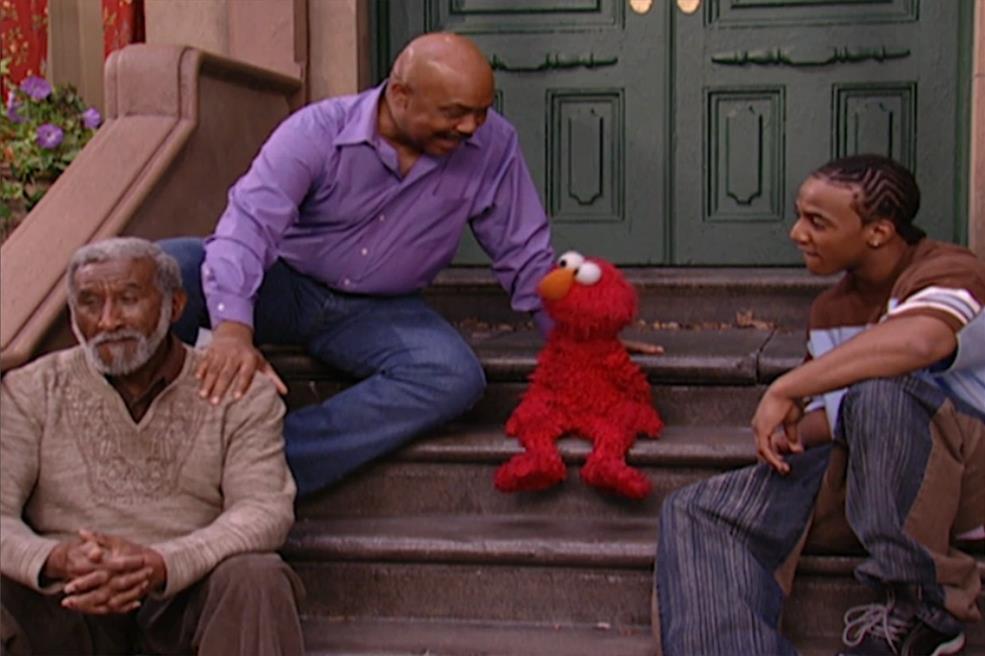
Elmo is feeling a bit down because his fuzzy friends are heading back home. He doesn't have a band for his show. He finds out that Miles and Gordon have musical backgrounds. Gordon's dad's got musical talent too. They've formed a new group called The Cute But Not So Fuzzy Four. Three generations of the Robinson family are involved in the act. Kids see adults only as parents or grandparents. It's important to share your history with your child. Share stories about your old instruments or hobbies. So, tell me about the cities you've lived in. Sharing these stories helps your child develop an identity. It shows them they belong to a group of talented people. This storytelling helps build self-esteem. It strengthens the bond with your family.
Rosita teaches the Spanish words for yes and no. She uses the words "sí" and "no." Use these opposites to give your child agency. Teaching a child to say these words in two languages empowers them. They learn to express choices in a fun way.
The Gordons are looking for something to do together as a family. They decide to help Elmo with his performance. Family bonding doesn't need to be planned. The best moments happen when generations work together to solve a problem. You should look for tasks that you can do together, like baking or gardening. Ask the child and the grandparent to contribute something unique. This teaches your child that everyone works toward a common goal, no matter how old they are.
Ernie wants to play his bugle to fall asleep. He pauses to consider how the noise is affecting Bert. This lesson is all about perspective. You should encourage your child to pause. Ask them how their actions make another person feel. This step is all about building empathy.
The Popcorn Thingy learns to share snacks. Try using small items like popcorn to practice generosity. Even a small snack is a chance to be kind.
The episode showcases a variety of musical experiences. It includes a dance for children who are hard of hearing. It shows a string quartet from Tokyo. Music is something that can move past physical and cultural barriers. You should show your child new ways of experiencing sound. Check out how dancers feel the vibrations from a beat. Check out instruments from other countries. If you want your child to appreciate diversity, you should expose them to a wider range of music. It shows them that there are many ways to be creative.