| Element | Data |
| Episode Number | 4632 |
| Episode Title | Sesame Ocean |
| Season | 46 |
| HBO Premiere | August 13, 2016 |
| PBS Premiere | September 13, 2016 |
| Primary Theme | Marine biology and deductive reasoning |
| Curriculum Focus | Using specific descriptors to find lost objects |
| Letter of the Day | O |
| Number of the Day | 6 |
| Cold Open | Grover encounters a real crab while pretending to visit the beach |
| Inciting Incident | Elmo wishes Dorothy could see the world beyond her fishbowl |
| Magical Catalyst | Abby Cadabby performs a sea-transformation spell |
| Chris Morph | A merman wearing a seashell necklace |
| Big Bird Morph | A giant yellow bird-fish swimming with a dog-fish |
| Grover Morph | A blue fish-form dog walker leading an aquatic pack |
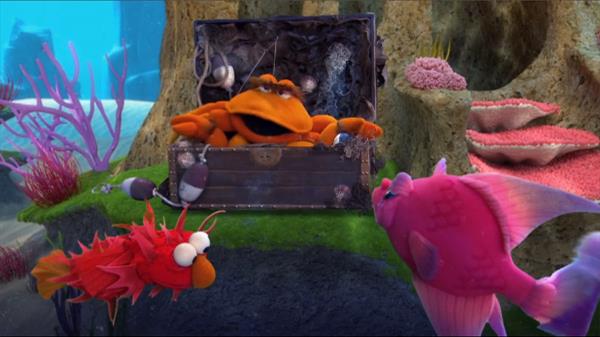
| Oscar the Grouch Morph | Oscar the Crab residing in an underwater sea chest |
| Cookie Monster Variant | The Cowabunga Cookie Shark hunting for orange sea cookies |
| Search Clue 1 | Look for something orange |
| Search Clue 2 | Look for something orange that moves quickly |
| Search Clue 3 | Look for an orange fish |
| Climax Location | Dorothy swims inside a sunken ship known as Hooper’s Store |
| Physical Consequence | Chris retains his merman tail after the spell ends |
| Letter Film | Owen discovers an orchestral arrangement of oceanic O words |
| Smart Cookies Case | Pecan Sandy Beach and the battle against a Typhoon Macaroon |
| Numerical Task | Finding the number 6 hidden among a pile of pebbles |
| Elmo the Musical | Beach the Musical featuring a tiny shrimp with big dreams |
| Outro Activity | Cookie Monster and Rosita engage in a competitive running race |
| Instructional Value | Teaching your child to refine search criteria through observation |
| Visual Logic | The transformation of Sesame Street landmarks into reef structures |
| Soundscape | Bubbling water effects and orchestral marine music |
| Spatial Reasoning | Navigating a three dimensional underwater environment |
| Scientific Insight | Introduction to crustaceans; fish anatomy; oceanic habitats |
| Bilingual Literacy | Connecting the letter O to Ocean and Orchestra in multiple contexts |
Facts
A big step up in CGI Production
Season 46 is a big change in how well the show is made. You can see this in Episode 4632. The crew used a lot of computer-generated images to turn the street into an underwater world. The producers went all out on the visual effects to make the neighborhood look submerged. Critics said the episode is one of the most technologically advanced street stories ever filmed. This change let the puppets move across the screen smoothly, like they were floating and swimming.
The Permanent Merman Curse
Chris Knowings plays Chris, the human character. Abby Cadabby uses her magic wand to turn him into a merman with a big fish tail. You'll see him trying to adjust to his new water-based body while the other characters are out exploring the sea. Most spells on the street end before the closing credits. This episode breaks the tradition because Chris remains a merman during the final scene. He tries to take a lunch order at the counter while his fish tail falls on the floor.
The Cowabunga Cookie Shark
Cookie Monster shows up in a special form during the underwater search. He takes the form of the Cowabunga Cookie Shark. This character references a catchphrase from the 1970s. Cookie Monster always shouts the word before he eats a bunch of snacks. The shark version of the character searches for orange sea cookies in the coral garden. You recognize the blue fur and googly eyes on the shark puppet.
Oscar in a Sea Chest
Oscar the Grouch usually lives in a metal trash can. In this episode, he finds himself trapped inside an old sea chest. He becomes Oscar the Crab. He's hiding near the steps of 123 Sesame Street. The designers made a custom crab puppet that keeps Oscar's green color and grumpy eyebrows. He tells Elmo and Abby to get out of his underwater home right away. You see him snap his claws to show he's annoyed.
Hooper's Sunken Shipwreck
We gave the neighborhood landmarks a total makeover for this story. Hooper's Store looks like a sunken ship covered in seaweed. The windows and doors still look familiar, but they've definitely seen better days. Small fish are swimming through the area where neighbors usually have breakfast. The creative set design is sure to leave you feeling amazed. You notice how the familiar shop looks eerie and mysterious beneath the waves.
Dorothy Finally Leaves the Bowl
Elmo's pet goldfish, Dorothy, lives in a small glass bowl. She usually looks at the world from Elmo's bedroom. This plot lets her explore the whole street for the first time. Abby gets to swim outside of her container. Dorothy leads Elmo and Abby on a chase through the neighborhood next to the water. You'll see her hanging out with Big Bird and Grover in their fish forms. This moment fulfills a long-standing curiosity for the character.
Joey Mazzarino's Final Episode
Joey Mazzarino, the director, was in charge of the creative team for this episode. He was the head writer and a primary performer for many years. His final year with the production was in season 46. Before he left, he was big on pushing for these elaborate, high-concept stories. This underwater episode really shows off his ambition for the series. You can see his influence in the mix of humor and technical complexity. He really changed the way the show was told.
Educational Context and Viewer Guide
Primary Lesson: Marine Biology and Descriptive Attributes.
Pedagogical Goal: Identifying specific physical characteristics like color and speed to categorize objects and solve navigational problems.
Parental Note: Elmo wants Dorothy the goldfish to see the neighborhood. Abby makes the street look like an underwater world. Dorothy swims away. Elmo searches for her. He uses clues to narrow his search. He's on the lookout for orange items. He's always on the lookout for fast-moving objects. He finds a crab. You can play this game with your child. Hide a toy. Give specific clues about its color or shape. This helps your child pay attention to details. It helps them learn new words and improve their observation skills.
Expert Take: This episode is all about identifying attributes. Kids learn to refine their searches by adding layers of info. Elmo starts off finding an orange sea cookie. He then finds an orange crab that's moving pretty quickly. He finally finds an orange fish. This shows how the scientific method works: you narrow down the variables to reach a conclusion. The Smart Cookies segment really drives home the main idea. They're like the ultimate typhoon macaroon. They use logic to solve a weather-related problem. The Count brings up the number six. Finding hidden numbers in nature is a great way to get kids started on math. This episode encourages kids to look past the first answer they find. It teaches them to stick with a problem until they get the right result.
Learning the vocabulary related to the ocean
Owen dives in to find items starting with the letter O. He finds an orchestra performing underwater. This segment will introduce your child to terminology related to the sea. You can say these words to your child while you're bathing them. It's a good idea to point out ocean animals in the books you read together. You might want to listen to sounds of whales or waves to help you learn. This helps them learn more words. It gets people interested.
Overcoming Weather Challenges Together
The Smart Cookies team is up against a villain using a typhoon macaroon to cause chaos on the beach. Cookie Monster and his friends have to figure out a way to stop the storm and protect the people. They use teamwork to foil the scheme. You can chat with your kids about what to do during storms or wind. It's a good idea to create a family safety plan. You can help them feel safe by explaining how adults work together to keep everyone protected. This can help reduce anxiety. Just stay calm.
Check out this cool way to learn about marine biology—by playing!
Abby Cadabby uses her magic wand to turn the neighborhood into an underwater world called Sesame Ocean for Elmo. Big Bird and Grover swim through the water as fish, and Chris becomes a merman with a green tail. Elmo explores the ruins of a ship that serves as the local store. You can watch these characters interact with a cookie shark and a crab to see how they adapt to a new environment while they search for their missing friend. This setting is a great way to introduce your child to the world of marine biology. You could talk about how creatures breathe and move beneath the waves. After watching the episode, it's a good idea to visit an aquarium or look at books of sea life together to help your child connect the fiction to the real world. You can encourage your child to draw their own version of an underwater city with plants and treasures to foster their creativity and their storytelling. This activity helps them understand that environments can change. It gets them to pay attention. You can make a bin with water, animals, and pebbles to help your child practice their motor skills. This experience reinforces the lessons they learned from the characters. Kids learn best through play. You stay close. You ask questions.
Using Visual Clues to Solve Problems
Elmo's on a mission to find his fish, Dorothy, in the deep blue. He uses clues to narrow down his search area. He looks for things orange. He's always on the lookout for things moving fast. He finds a sea cookie and a crab before finding his friend. You can get your child started on hide and seek at home by having them hide orange toys in spots that are a bit tricky. It's a good idea to give them descriptions of the hidden items. This helps them improve their observation skills.
Promoting a growth mindset in little kids
A tiny shrimp feels sad because she thinks she's too small to accomplish anything. Elmo stops by Happy Crab Beach to cheer her up. He shows her that size doesn't limit her potential. You could use this story to talk about self-esteem with your toddler. It's good to point out the things your child does that you notice, even if they seem small, to help them see their own growth. You can praise their efforts in reaching toys or helping with chores. This builds confidence.