| Category | Information Detail |
| Episode Title | Martian Mission |
| Season | 48 |
| Episode Number | 4805 |
| HBO Air Date | December 16, 2017 |
| PBS Air Date | August 20, 2018 |
| Primary Curriculum | Diversity and Inclusion |
| Secondary Curriculum | Friendship |
| Human Cast Members | Alan, Chris, Nina |
| Main Muppet Characters | Elmo, Grover, Cookie Monster, Gonger, Rosita |
| Guest Muppet Characters | The Martians, The Martian Leader |
| Celebrity Guest | Alessia Cara |
| Letter of the Day | P |
| Number of the Day | 9 |
| Foodie Truck Recipe | Half mushroom and half pineapple pizza |
| Foodie Truck Destination | A pineapple farm |
| Elmo's World Topic | People |
| Original Song | Anyone Can Be Friends |
| Celebrity Song | So Much Alike |
| Production Studio | Kaufman Astoria Studios |
| Production Company | Sesame Workshop |
Facts
The Yip Yip Heritage
Jim Henson came up with the original Martian characters back in the early 1970s. The production team calls them the Yip Yips. Puppeteers use a simple rod mechanism to manipulate their large mouths. They're a classic example of Muppet design.
Premium Window Sequencing
Sesame Workshop came up with a special way of distributing products during this production era. The episodes first came out on the premium cable network HBO. Public broadcasting stations got the rights to air the episodes nine months later. This financial agreement made sure the production company could keep going.
Musical Guest Integration
Alessia Cara did her musical segment at the Kaufman Astoria soundstage. Producers pair popular musicians with Muppets to appeal to adult caregivers. Having caregivers join in for a viewing helps preschoolers remember what they've learned. The song promotes mutual respect.
The Food Origin Initiative
The Foodie Truck segment is part of a special curriculum mandate. Educational advisors noticed that urban kids didn't know much about agriculture. The segment shows live-action footage of a pineapple farm. Kids see fruit growing in natural places instead of in grocery stores.
Character Importation
Gonger first appeared on a British spin-off series. Producers liked the character's frantic energy. They brought the puppet to the main American cast for Season 48. He's the opposite of Cookie Monster when it comes to food.
Prosocial Behavior Modeling
The Kindness Cam is a tool that reinforces the curriculum directly. It replaced older parodies to focus on emotional intelligence. The segment repeats a key social interaction from the main street story. Repetition helps toddlers understand complex social dynamics.
Linguistic Representation
The episode features a bunch of different spoken languages. The writers included Spanish, French, Arabic, and American Sign Language. This is just how things are these days in cities. Learning different languages is good for your child's brain development.
Educational Context for Parents
Primary Lesson
Diversity is good for communities and helps people make meaningful friendships. People have different physical characteristics and speak different languages. These surface-level differences don't stop people from finding common ground. Shared humanity is the foundation for mutual respect and compassion.
Pedagogical Goal
The curriculum is designed to help preschool learners develop a basic understanding of different cultures. Educators are working to reduce implicit bias by normalizing physical and linguistic differences. Learning about different cultures can help us avoid having prejudiced attitudes. Kids learn to be curious about other cultures instead of scared of them.
Parental Note
The plot provides a framework for discussing human differences. At first, the Martians think that everyone on Earth has the same physical traits. They see small children and assume everyone is small. They see Chris and assume everyone shares his skin color. Elmo sets the record straight by introducing a bunch of different people from the neighborhood. This story is similar to how toddlers develop cognitively. Kids often make big assumptions based on little evidence. Caregivers can use this narrative to explain human diversity.
You can also have your kids do similar observations in your own community. Take a stroll through a public park or a bustling shopping center. Take note of the different ages, heights, and styles of clothing you see as you walk by. Ask your child to point out these differences in a polite way. You might point out someone speaking a different language. Just explain how language is basically a way to share ideas.
Families can expand this learning with a simple mapping activity. You can put a world map in the living room. Put a pin in the places that are important to your family history. Then, you can place pins on countries to show the languages heard in the episode. This visual representation helps children understand the global scope of humanity. It takes abstract ideas and turns them into real places.
Caregivers have to set an example and be inclusive. Kids see how adults interact with people from different backgrounds. You should get to know your neighbors from all over. Prepare meals featuring recipes from different global regions. You'll get the best education by getting out there and getting involved in all sorts of different communities.



Song: So Much Alike song performed by Alessia Cara and Sesame Street characters.

Cookie Monster's Foodie Truck: The twins orders a pizza from Cookie Monster and Gonger.

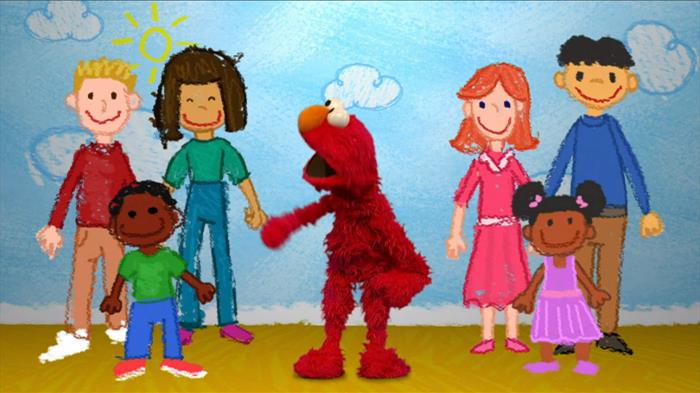
Elmo's World People