| Category | Details |
| Episode Title | A Recipe for Dance |
| Episode Number | 5008 |
| Production Season | 50 |
| HBO Premiere Date | January 4, 2020 |
| PBS Premiere Date | October 8, 2020 |
| Educational Focus | Recognizing Patterns; Physical Sequencing; Persistence |
| Letter of the Day | P |
| Number of the Day | 15 |
| Human Cast | Suki Lopez; Alan Muraoka; Chris Knowings |
| Muppet Cast | Zoe; Elmo; Rudy; Ovejita; Big Bird; Cookie Monster; Abby Cadabby; Finicky; Wired; Pita |
| Featured Segments | Big Bird Road Trip; Cookie Crumby Pictures; Elmo World Patterns |
| Featured Songs | Pattern for Dance; Letter P Song; Number 15 Song; P is for Patterns |
Facts
Choreography Blocking
Working out the floor plans for a dance sequence with both Muppets and human actors is a must. Puppeteers move around the set using rolling stools. Directors block the scene really carefully to prevent collisions. One little mistake and the whole sequence has to be restarted. The performers have to put in a lot of physical effort.
Wardrobe Selection
The costume department picked the patterned shirt especially for this curriculum. Clothing patterns help early learners understand what things look like. Designers usually avoid overly complex geometric shapes. Simple repeating stripes look great on TV. The visual cue reinforces the dialogue directly.
Ovejita Puppetry
Carmen Osbahr is the Ovejita puppet. When you're working with a smaller character next to adults, it can put you in some tricky physical positions. She's got to hold her arm high while crouching just below the camera frame. This posture puts a lot of strain on the muscles. Short filming sessions help performers stay fresh.
Musical Playback
Sound engineers play the music aloud on the studio floor. The actors and puppeteers lip-synch to a pre-recorded audio track. Singing live while doing complex choreography can mess up the sound quality. The microphones pick up on the heavy breathing and the squeaking wheels of the rolling stools. Keeping the vocal recordings separate makes sure the audio for broadcast is perfect.
Set Dressing Subtext
The art department set up the background merchandise at the store in different repeating sequences. Set dressers lined up specific colored cans on the shelves behind the actors. These subtle background details reinforce the educational theme without drawing direct attention. Everything in the visual design is there to help you learn.
Framing Constraints
Directors usually avoid wide camera angles when it comes to Muppet dance numbers. A wide shot shows the puppeteers and their equipment. The camera operators use tight framing to make it look like the characters are walking. They pan smoothly to follow the slide and swirl choreography.
Big Bird Remote Production
The Denver segment needed local production support. Field producers hired Colorado camera operators to capture the footage. Using local crews cuts travel costs for the main New York team. The main directors handle the creative vision from afar. This strategy brings real community voices into the broadcast in a way that's easy and effective.
Educational Context for Parents
Primary Lesson
Kids learn to identify and copy sequences in their physical environment. The episode shows how complicated actions can be made easier when broken down into a repeating sequence. The characters notice visual patterns and then move them into physical movements. It's nice to be able to count on a reliable sequence because it gives you a sense of predictability and control.
Pedagogical Goal
Educators try to help students develop cognitive sequencing skills through physical movement. The curriculum links visual observation to motor planning. Teachers know that doing the same physical activity over and over helps you remember things better. Memorizing a series of distinct steps strengthens the neural pathways responsible for complex problem solving.
Parental Note
Chris is wearing a shirt with a clear visual pattern. Nina uses his clothes to explain the concept to the class. Parents can do this visual exercise during regular laundry time. Hey, could you ask your kid to sort the socks by the colors they have in common? Finding a stripe sequence helps build the math skills you need.
The dance consists of a wave, a slide, and a swirl. Families can come up with their own physical sequences in the living room. Pick three simple actions like jumping, clapping, and spinning. Practice the sequence slowly at first, and then speed it up. Physical memorization burns extra energy while developing gross motor coordination.
Rudy gets frustrated when he can't learn the dance moves right away. He decides to quit the class and head to the store. Caregivers often see this avoidance behavior when young learners are faced with challenging new tasks. You've got to get a sense of how frustrated they are before you can offer a solution. When you take a break from a stressful situation, it gives you the chance to calm down and collect yourself.
Chris says he has a hard time remembering the steps too. He and Rudy practice together in a quiet space away from the group. Adults should model their own difficulties to normalize the learning process. Practice a challenging task with your child. When you work with your colleagues, it's less embarrassing to fail, and it makes you more likely to keep going.
The duo returns to the dance class after mastering the sequence on their own. They did the routine with their friends, and it went really well. You should give credit where it's due for the effort that went into getting past that initial frustration. Celebrate the return to group activities. If you consistently encourage them, they'll develop the confidence they need to tackle future challenges.


Elmo and friends sing and clap as they discover the letter of the day - P.
"P is for Patterns" - a song that explains what patterns are.
Elmo and Abby, dressed as astronauts, sing about finding the number of the day by counting Martians. Today, there are 15.

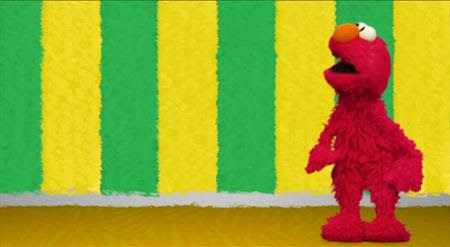
Elmo's World: Patterns