| Category | Detail |
| Episode Title | Chamki Visits Sesame Street |
| Season | 48 |
| Episode Number | 4815 |
| HBO Premiere Date | February 24 2018 |
| PBS Premiere Date | March 4 2019 |
| Primary Curriculum | Cultural Competence |
| Secondary Curriculum | Friendship |
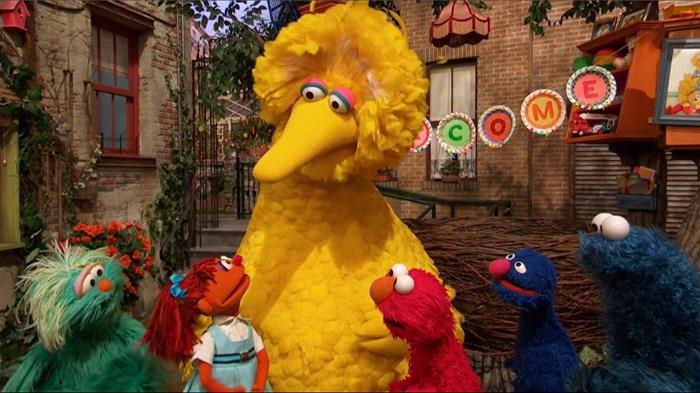
| Main Muppets | Big Bird, Grover, Elmo, Cookie Monster, Rosita, Abby Cadabby |
| Guest Muppet | Chamki |
| International Franchise | Galli Galli Sim Sim |
| Celebrity Guests | Gwen Stefani, Romeo Santos |
| Letter Theme | F |
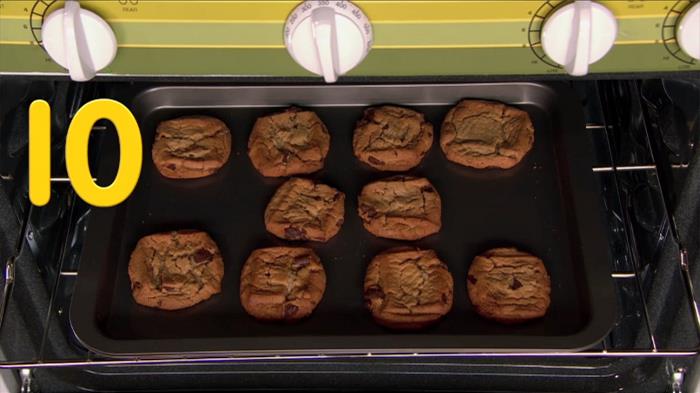
| Number Theme | 10 |
| Elmos World Topic | Kindness |
| Production Studio | Kaufman Astoria Studios |
| Production Company | Sesame Workshop |
Facts
Global Character Integration
Chamki comes from the Indian TV show Galli Galli Sim Sim. Sesame Workshop handles all the international logistics to bring global characters to the US. The producers shipped the puppet straight to New York. The original performer would travel with the character to keep the voice consistent.
Some Notes on the Prop Fabrication Constraints
The art department used some special materials to construct the giant bird feeder. Prop builders used lightweight foam instead of wood. This design choice prevents performer injury during chaotic physical comedy sequences. The structure has to be able to handle the rough treatment from the performers working on Cookie Monster and Grover.
Food Styling Mechanics
Chamki shares a traditional paratha with the monsters. The food on screen is made of dyed silicone. Real food contains oils. Oils can stain Muppet fleece permanently, and it's expensive. Silicone lets you handle the puppet over and over without messing up your clothes.
Archival Music Assets
The musical segments featuring Gwen Stefani and Romeo Santos were created in earlier production cycles. Post-production editors worked together to combine these archival assets. Reusing popular musical performances is a great way to save money. It helps keep overall production costs low while making sure celebrities are still visible.
Choreography Consultation
The script called for the characters to do a traditional Bhangra dance. The production team brought on a cultural consultant to help out. This expert tweaked the usual steps to make it work with the heavy puppet suits. The dance moves are culturally sensitive and safe for the performers.
Camera Blocking Logistics
Scenes that take place at the nest need special camera equipment. The Big Bird puppet's height makes it necessary for the camera operators to use elevated platforms. Floor managers, please clear all cables from the immediate area. This makes sure the heavy camera stands can track movements smoothly.
Distribution Strategy
This episode first aired on a premium cable network. Public broadcasting stations got the rights months later. This financial deal kept the production company afloat during a tough budget period. The dual-distribution model makes sure the program reaches different socioeconomic groups over time.
Educational Context for Parents
Primary Lesson
Friendship is something that can last even when you're not in the same place or have different cultures. People from different countries have unique traditions. People often share similar core values despite these superficial differences. Learning about a new culture can help you build better relationships with people. Kids learn about the world around them by being curious and asking questions.
Pedagogical Goal
The curriculum is designed to help students develop a sense of cultural competence. Educators are working to reduce implicit bias by making international diversity the norm. The story shows how characters with different backgrounds can get along. Kids learn to see if they have things in common with other kids they don't know. This way of thinking stops people from forming prejudiced attitudes.
Parental Note
Grover assumes Big Bird is expecting another bird. He bases his conclusion on the method of travel. Elmo and Cookie Monster build a giant bird feeder. Chamki shows up looking like a human girl. She gently corrects their misconception. The monsters learn a valuable lesson about making assumptions.
This plot point is a great way for families to chat about stereotypes. Kids often make big assumptions based on a little info. You should encourage your child to ask questions before making judgments. You can roleplay introductions using stuffed animals. Have your child find three new facts about the toy before you decide what it likes to eat.
Chamki shares her traditional food with Rosita. Rosita notices the paratha looks like her Mexican tortilla. Finding common ground is key to building rapport. You can explore global cultures through culinary activities in your own kitchen. Just pick a country on the map. Find a simple recipe that comes from the region.
Cooking introduces new words and sensory experiences. And measuring ingredients can actually be applied to real-world math problems. Your child will learn about global diversity and get a head start on essential life skills. You should talk about where the dish came from while you're eating it. You can compare the new flavors to the meals your family already enjoys.
The episode ends with a cultural exchange of dances. The monsters teach Chamki the Flappy Dance. Chamki teaches them the Bhangra. Physical movement helps kids process complex information. You can play traditional music from different countries. Get your groove on at home to celebrate global diversity.