| Category | Detail |
| Episode Title | Street Food |
| Season | 48 |
| Episode Number | 4816 |
| HBO Premiere Date | March 3 2018 |
| PBS Premiere Date | March 11 2019 |
| Primary Curriculum | Cultural Competence and Nutrition |
| Secondary Curriculum | Overcoming Picky Eating |
| Human Cast Members | Chris Alan |
| Main Muppet Characters | Elmo Rosita Cookie Monster Abby Cadabby Rudy Zoe Oscar |
| Guest International Muppets | Lily Chamki Zuzu |
| Classic Muppet Cameo | Herry Monster |
| Celebrity Guest | Padma Lakshmi |
| Parody Segment | Sesame Chef |
| Letter Theme | F |
| Number Theme | 3 |
| Foodie Truck Meal | Tacos |
| Foodie Truck Location | Corn tortilla factory |
| Production Studio | Kaufman Astoria Studios |
| Production Company | Sesame Workshop |
Facts
Global Character Coordination
The production team orchestrated a massive logistical effort to feature three international characters simultaneously. Lily arrived from the Chinese co-production. Chamki hails from the Indian series. Zuzu flew in from the South African broadcast. The studio handled the visas and travel plans for the international puppeteers. This specific scheduling made sure that each regional character had authentic vocal continuity.
Herry Monster Reintegration
Background scenes feature the rare appearance of Herry Monster. The studio officially gave the character to puppeteer Peter Linz. The original performer passed away a few years ago. The producers put Harry at the food stalls to test his new physical blocking. This cameo met the expectations of long-time viewers who were hoping to see classic characters.
Top Chef Set Fabrication
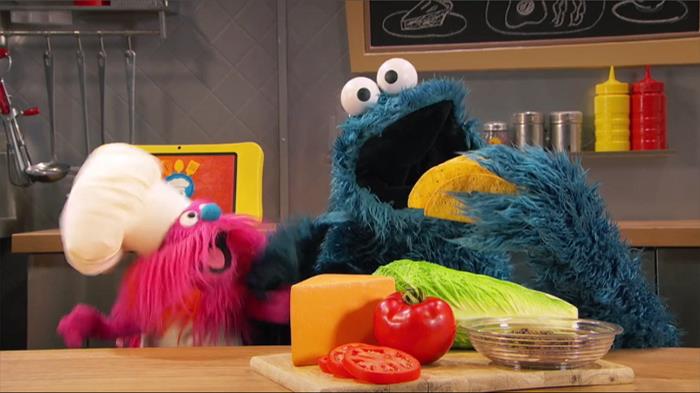
The Sesame Chef segment needed a special studio build. Set designers went for an industrial kitchen look, like the kind you see on those reality cooking shows. Padma Lakshmi filmed her dialogue on this isolated stage. Prop masters made some special cheeses for the segment. They used hardened foam to simulate the cheese castle.
Real-Life Chat
Alan is running the Japanese food stand. The script talks about his great-grandparents. This detail reflects the actor's authentic Japanese-American lineage. When they're writing about minority groups, writers try to be authentic. According to demographic data, Asian Americans make up 6.1% of the United States population. It's important to see people from all walks of life when we're talking about early childhood development.
Silicone Food Styling
The script says Cookie Monster should get sticky flan in his fur. The art department made a synthetic flan substitute. They used colored silicone and glycerin. Real desserts usually have a lot of sugar. Sugar attracts pests and can permanently damage the specialized fleece materials. The synthetic props are easy to clean between camera takes.
Abuela Puppet Modification
Rosita and her grandma run a Mexican food stand together. Puppet builders made the Abuela character using a standard Anything Muppet template. They added silver hair and traditional clothing. This quick modification technique saves thousands of dollars per episode. The studio's got a huge wardrobe department just for these quick character changes.
Tortilla Factory Logistics
The Foodie Truck segment needed raw industrial footage. A second camera crew went to a tortilla factory. They put special cameras on top of the huge corn milling machines. The team documented the whole production line, from the raw corn to the packaged shells. They wore full sanitary gear to comply with strict food safety regulations.
Educational Context for Parents
Primary Lesson
Learning about new foods can help you understand different cultures and ways of eating. Kids often don't like to try new foods because of sensory stuff. If you try different foods from around the world, you're less likely to develop picky eating habits. Shared meals are a great way to get to know each other's cultures. If you try one bite, you'll probably see that it's more widely accepted.
Pedagogical Goal
Educators are working to help young learners become more open to trying new foods. The curriculum introduces a variety of dishes through positive peer modeling. Kids see characters enjoying new textures and flavors. This social proof encourages viewers to mimic the behavior. The story brings together the unknown and the familiar.
Parental Note
Rudy turns down tamales and udon during the street festival. He insists on a corn dog instead. He's a classic food neophyte. Kids naturally like the same flavors all the time. Abby reminds him of his promise to try something new. They stop by Chamki's at the Indian food stand. Chamki brings you palak paneer and naan. Abby says the Indian bread is like a grilled cheese sandwich. Rudy recognizes the familiar concept. He takes a bite and asks for more.
Families can use this associative strategy at the dinner table. You can mix things up by adding an unfamiliar vegetable to your usual staple. You could serve new roasted carrots with a classic portion of macaroni. If you're nervous about trying a new food, comparing it to something you already like can help. Kids feel safer taking risks when they have a familiar reference point. They process sensory information more calmly.
Getting kids involved in making their own meals makes them more likely to eat. You can make a weekly routine out of international recipes. Set your child up with a special job in the kitchen. They can wash the produce or stir the dry ingredients. When you get hands-on, you can see how the final product will turn out. They see the meal as their own creation. This sense of ownership overrides their initial hesitation.
During mealtimes, it's important to keep a neutral attitude. Making a kid eat something against their will can create bad associations with food. Offer the new food without pressure. If they touch or smell the item, give them a pat on the back. If you're exposed to something over and over, you're more likely to end up using it. While you're eating, talk about where the recipe came from. Can you tell me a little bit about the country's geography and climate? This conversation turns a simple dinner into a cultural lesson.